


Cletiway 75
Clopidogrel 75mg Tablets
Clopidogrel Tablets are an antiplatelet medicine that can aid in the prevention of blood clots. This medication can help in preventing heart attack and stroke-like issues, which are caused by to blockage of arteries.
This medication can support in proper flow of blood to the heart and other organs of the body so that the pressure on the heart can be reduced. It thus manages to promote overall heart health. This medicine is to be taken only as advised by your doctor.
Nausea, diarrhoea, and nosebleeding are some of the side effects associated with this medication. Alcohol and smoking are strictly to be avoided while taking this medicine. Also, do not give it to children until advised.
At Biofield Pharma, we provide the Clopidogrel Tablets for PCD Franchise under the brand name Cletiway 75. At affordable prices, you can start your business and start gaining significant benefits.
Benefits of Clopidogrel Tablets
This drug belongs to a group of antiplatelet medications that can be used to reduce the risk of harmful blood clots in patients with cardiovascular and cerebrovascular conditions. They work by preventing platelets from sticking together, thereby improving blood flow through arteries. Clopidogrel is widely prescribed for patients with a history of heart attack, stroke, peripheral arterial disease, or acute coronary syndrome. By reducing clot-related complications, these tablets play a vital role in improving survival, reducing disability, and enhancing overall quality of life in patients at risk of thrombotic events. To experience a therapeutic solution, it is strongly advised to seek medical assistance. Do not self-administer them.Administration of Dosage
Clopidogrel Tablets are usually taken orally as prescribed by a healthcare professional. The dosage depends on the medical condition and patient response. In addition, the tablets should be swallowed whole and taken regularly at the same time each day.Side Effects of Rosuvastatin, Clopidogrel, and Aspirin Capsules
- Nosebleeding
- Diarrhea
- Nausea
- Gastrointestinal bleeding
- Abdominal pain
Precautions of Rosuvastatin, Clopidogrel, and Aspirin Capsules
- This medication is to be avoided if you are pregnant or breastfeeding.
- Smoking and alcohol should be avoided with Clopidogrel Tablets.
- Do not exceed the dosage recommended by your doctor.
- Inform your doctor if you are taking any painkillers and proton pump inhibitors.
- If you are dealing with heart or kidney issues, then this medication is not for you.
Frequently Asked Questions
- Question 1. What is the therapeutic use of Clopidogrel Tablets?
- Answer: This medication is an antiplatelet drug that can be used to prevent blood clots. They can be commonly prescribed to reduce the risk of heart attack, stroke, and other cardiovascular events.
- Question 2. What is the working of Clopidogrel Tablets?
- Answer: These tablets work by preventing platelets in the blood from sticking together. This can reduce the formation of harmful clots that can block blood vessels supplying the heart or brain.
- Question 3. What is the usual dosage of Clopidogrel Tablets?
- Answer: The commonly prescribed dose is 75 mg once daily, with or without food. The dosage may vary depending on the patient’s condition and the doctor’s advice.
- Question 4. Is Clopidogrel Tablet a high-demand product in India?
- Answer: Yes, these tablets have a consistent demand due to the rising prevalence of cardiovascular diseases. Thus, investing in them can be profitable for your franchise business.
- Question 5. What documents are required for the Clopidogrel Tablets PCD Franchise?
- Answer: Drug License, GST Certificate, PAN Card, and Address proof are some essential documents required to start your business in this medication.
- Question 6. Is Clopidogrel safe for long-term use?
- Answer: Yes, these tablets are generally safe for long-term use when taken as prescribed by your health expert. Additionally, regular follow-ups are recommended to monitor bleeding risks.
Related products
-
BL SET-M
₹1,800.00 -
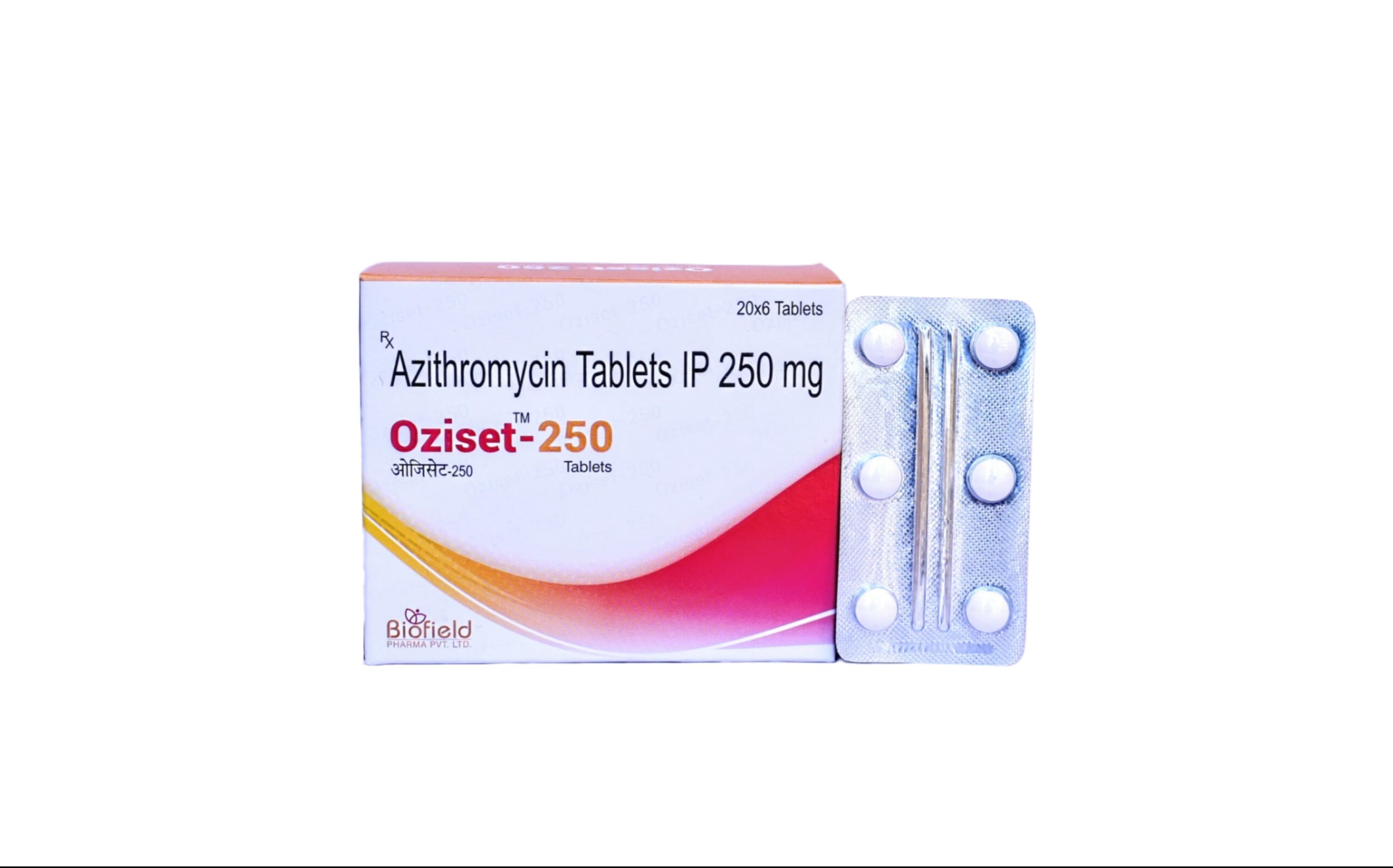
OZISET 250
₹1,564.40 -
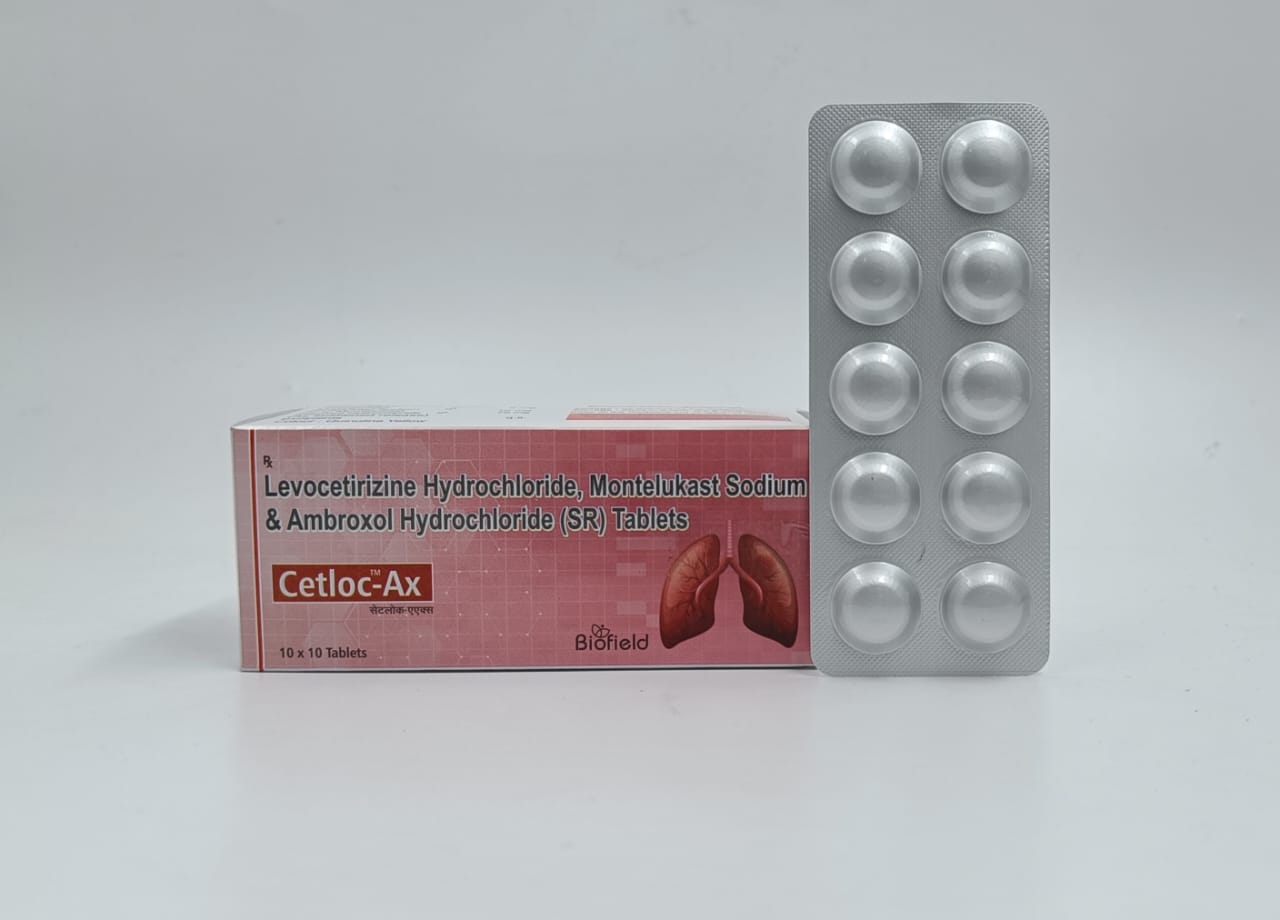
CETLOC AX
₹2,100.00 -
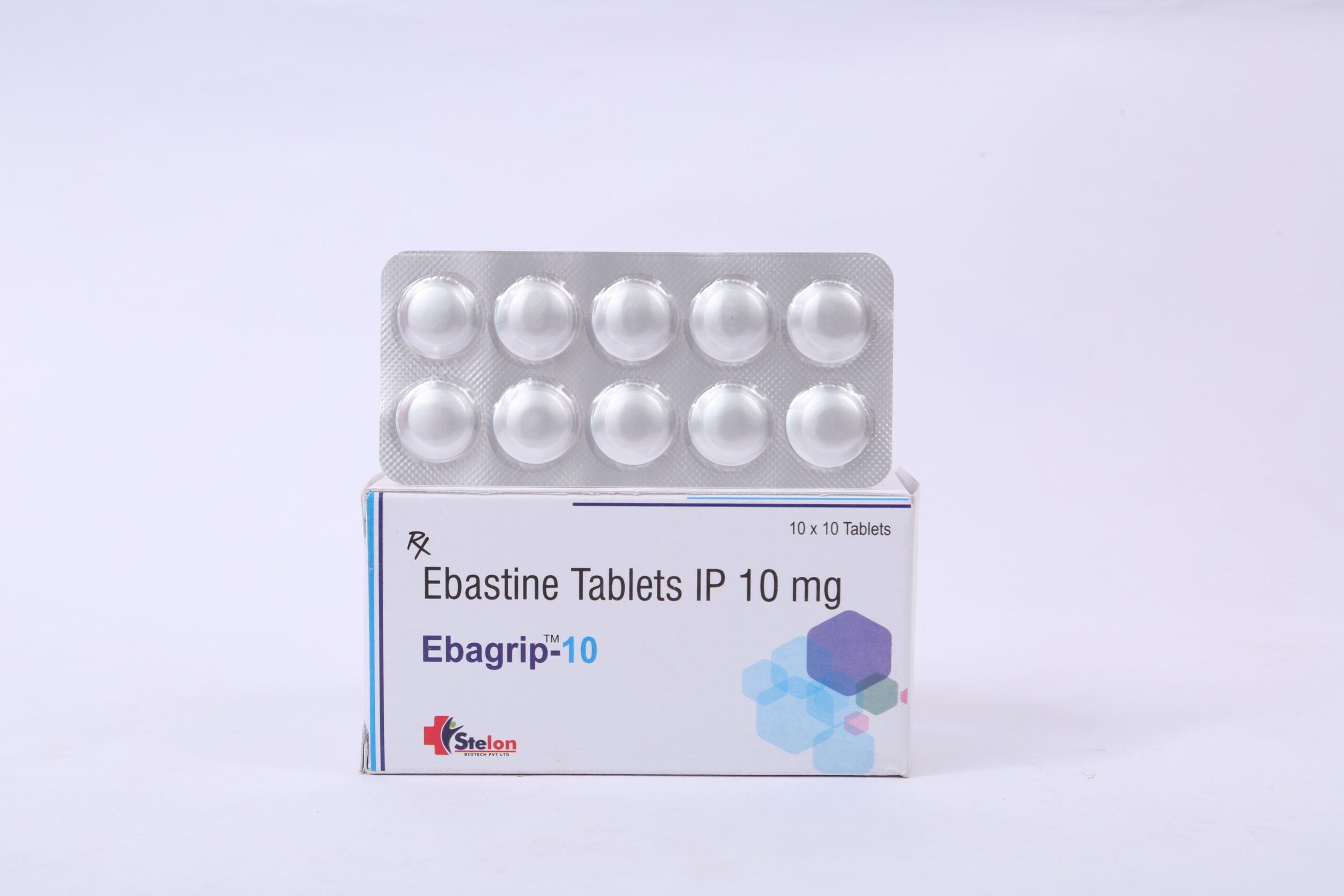
EBAGRIP -10
₹600.00
Enquire Us